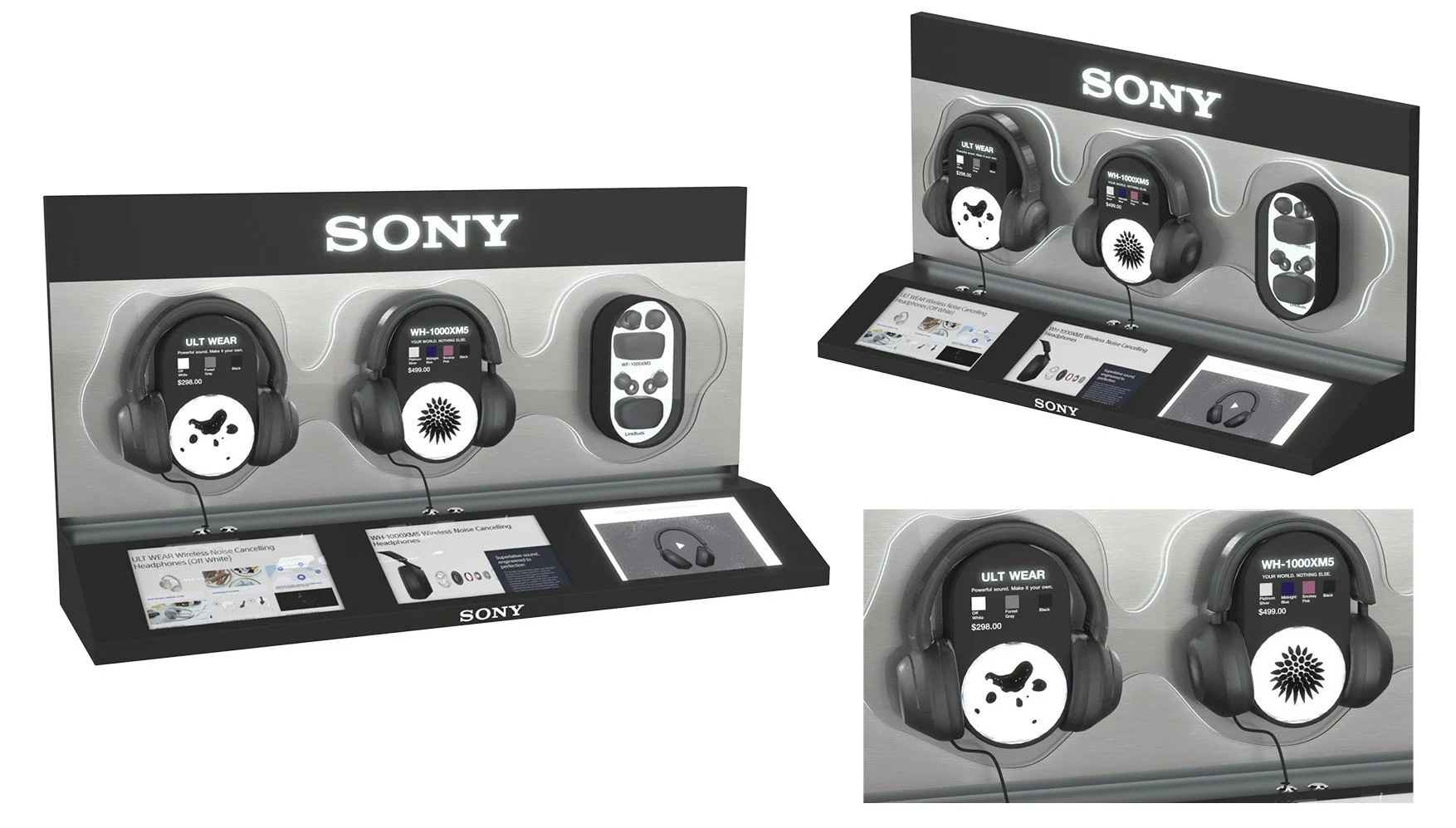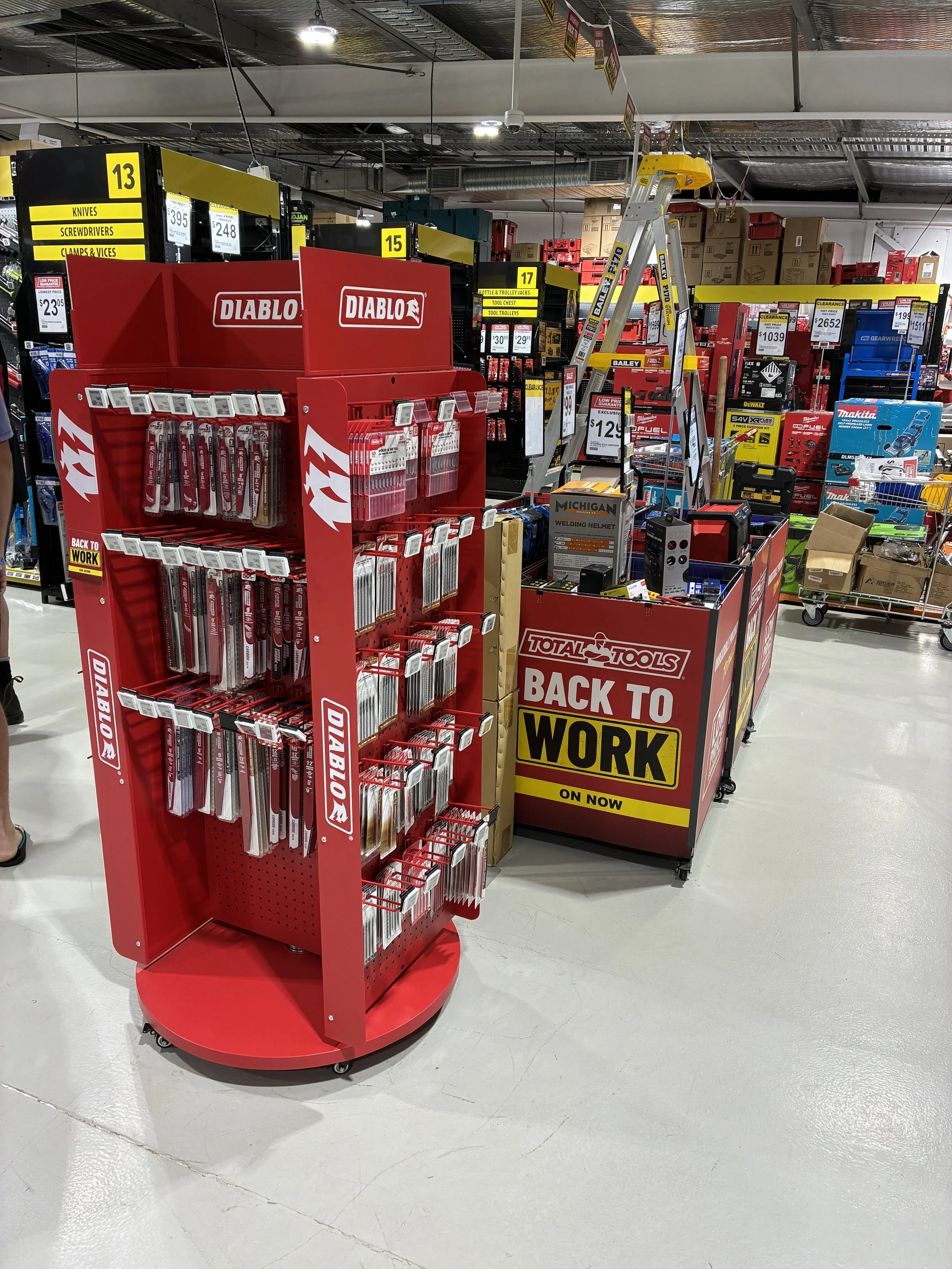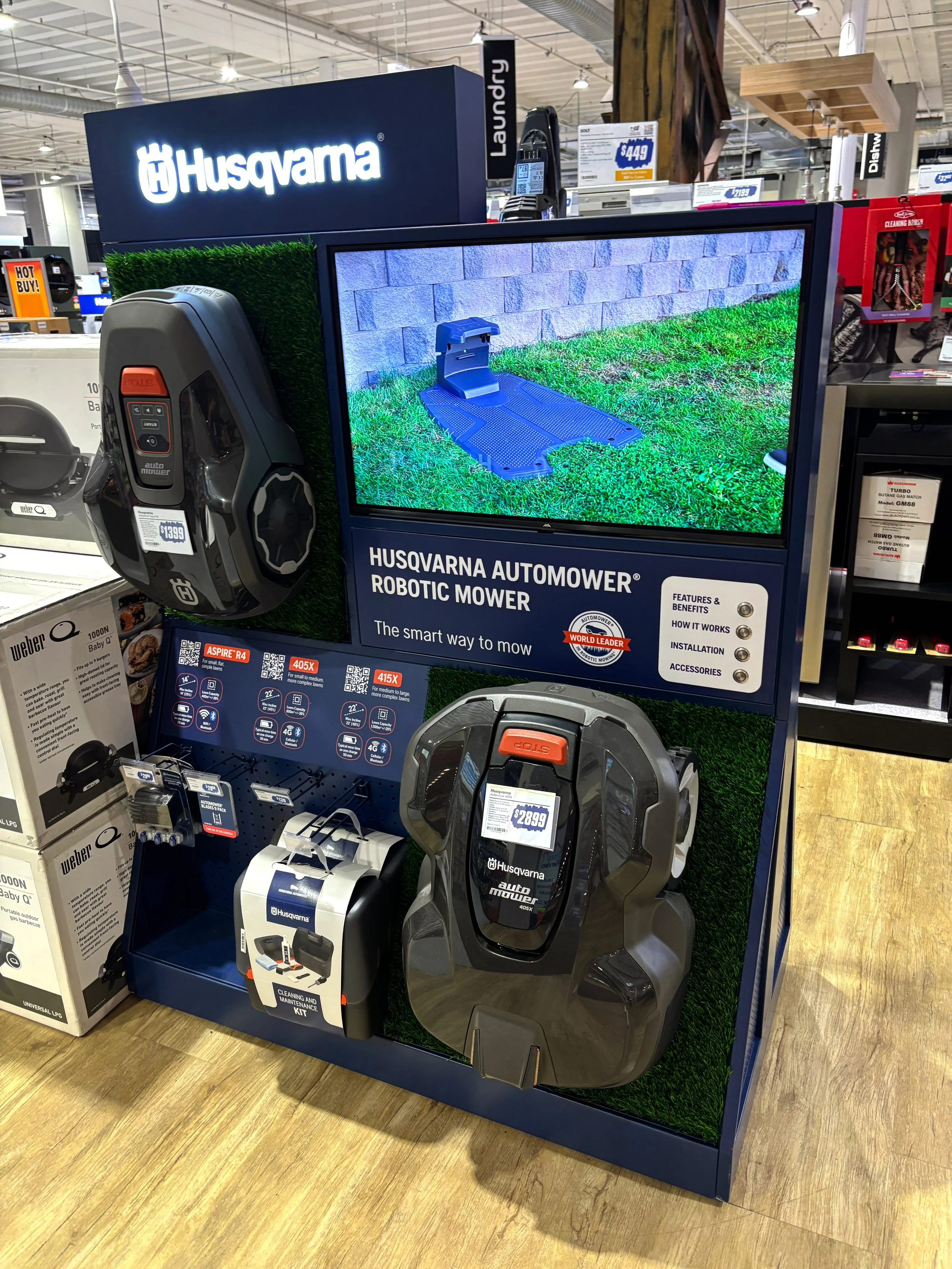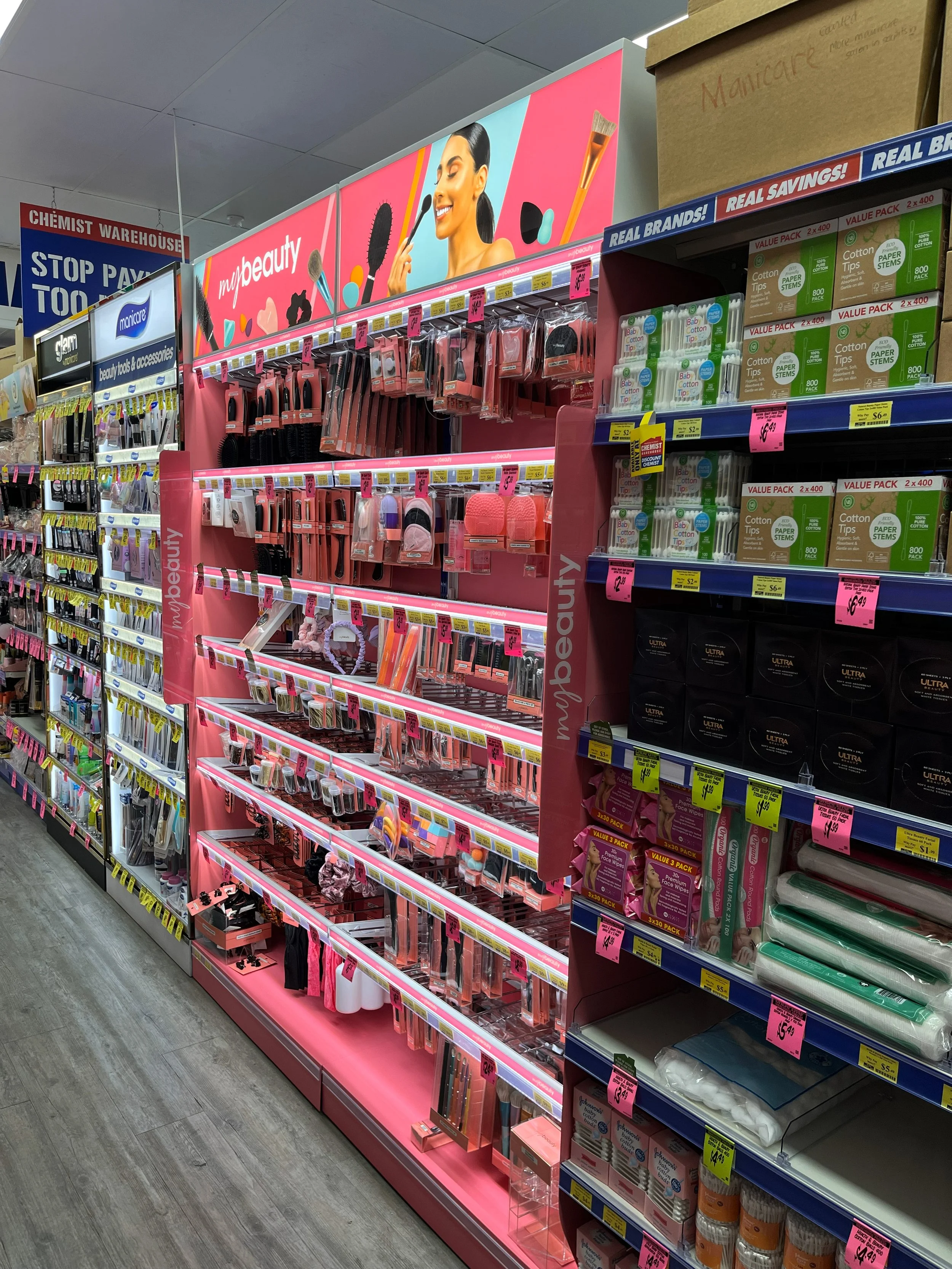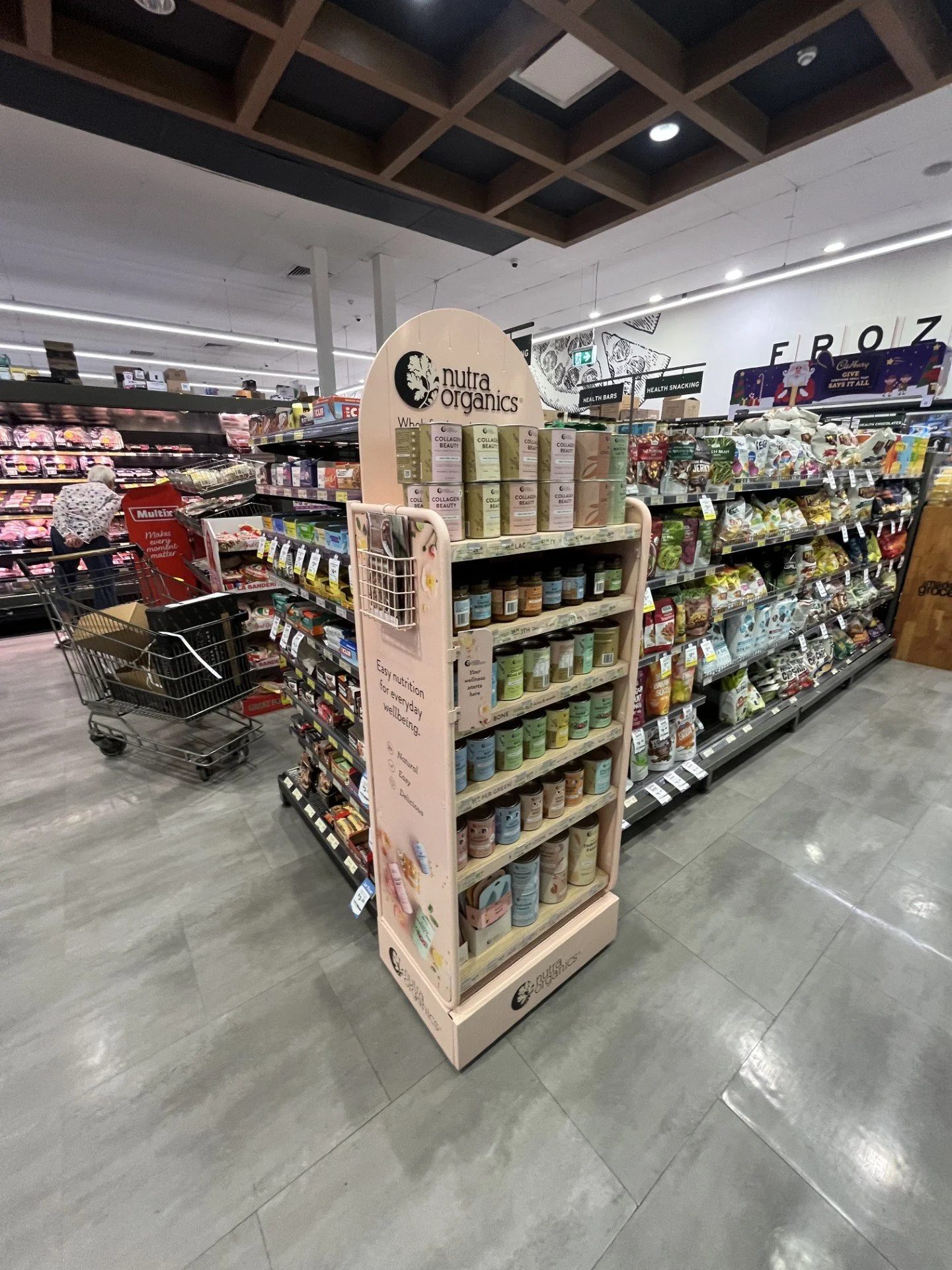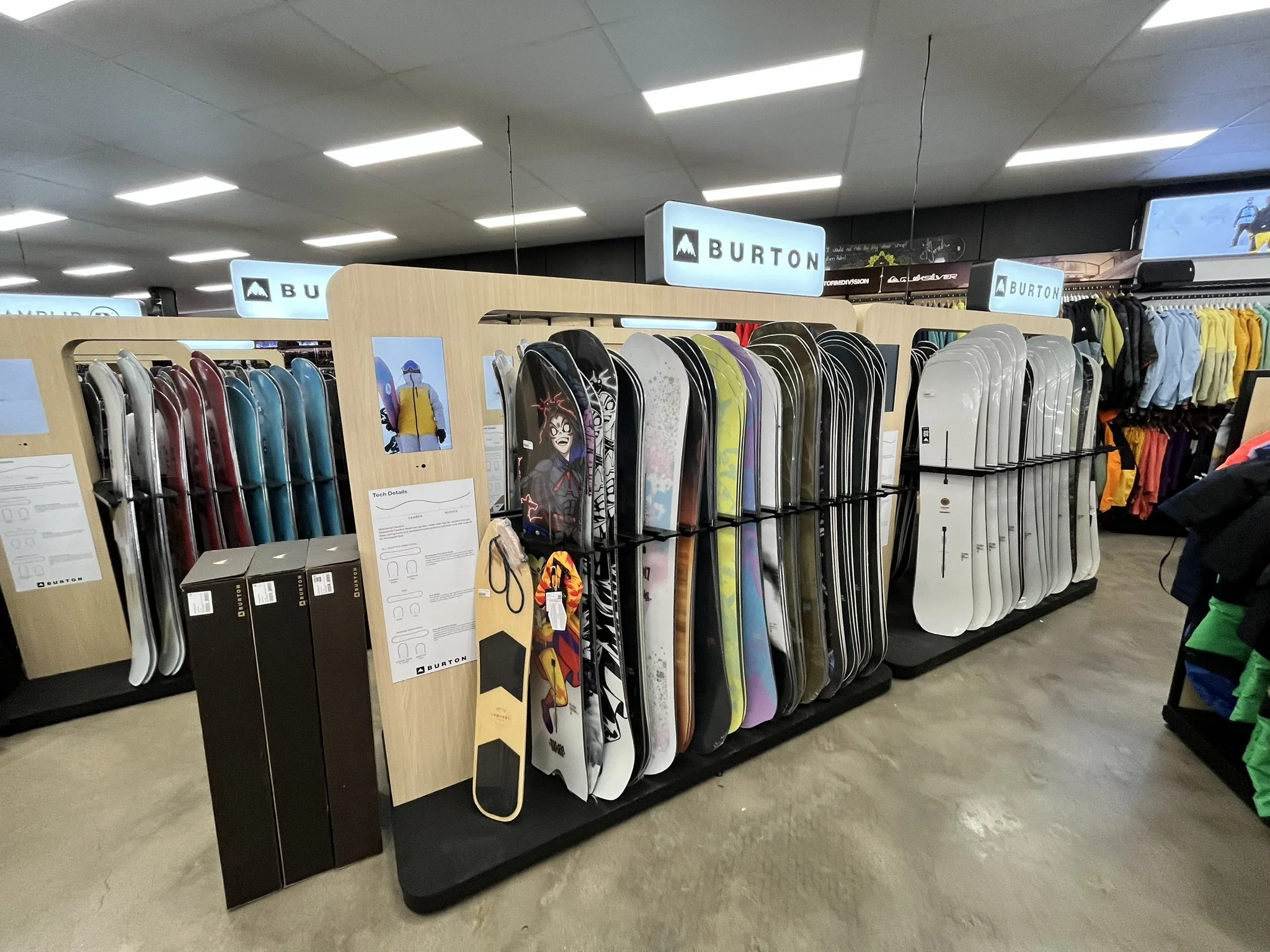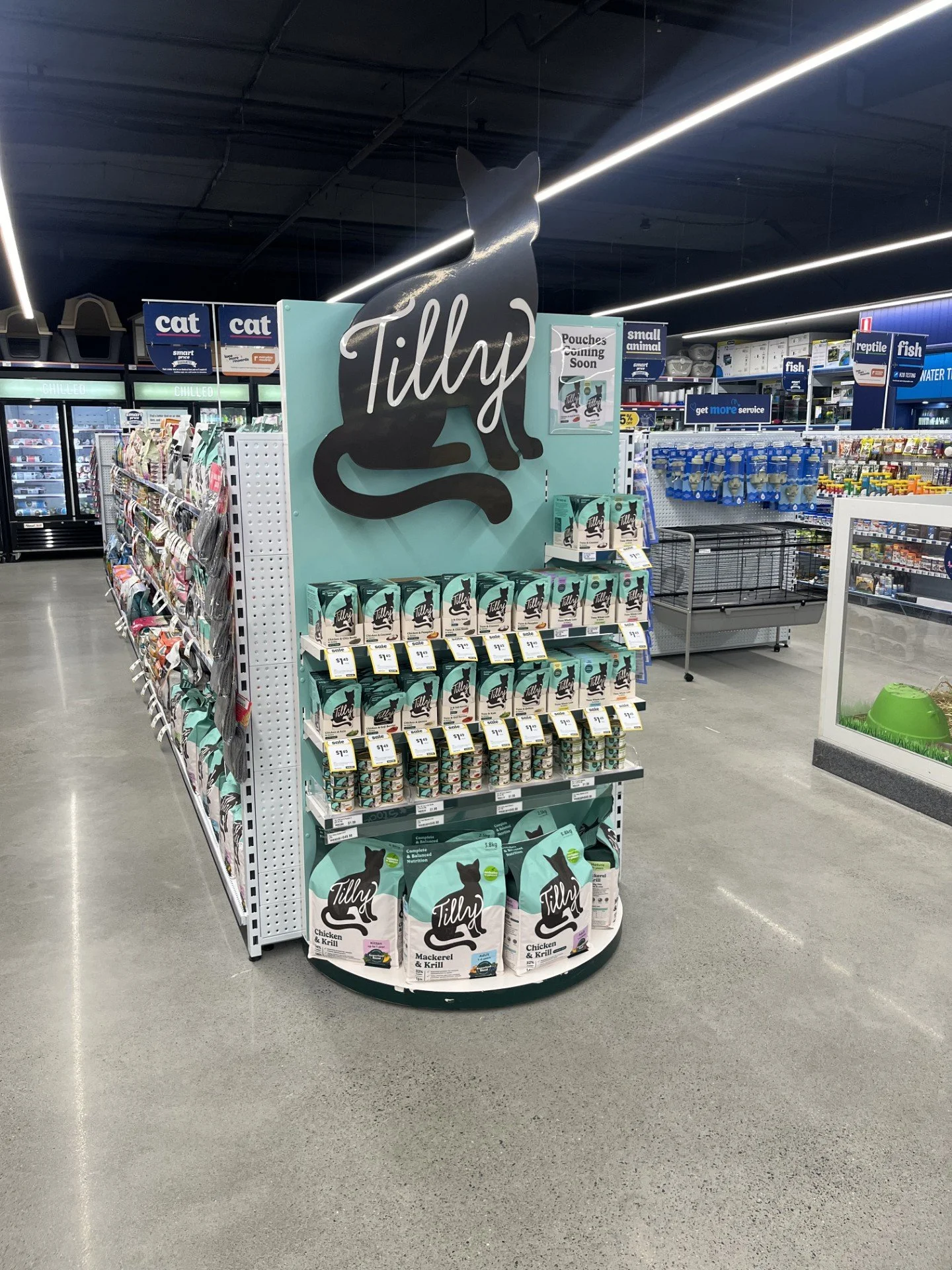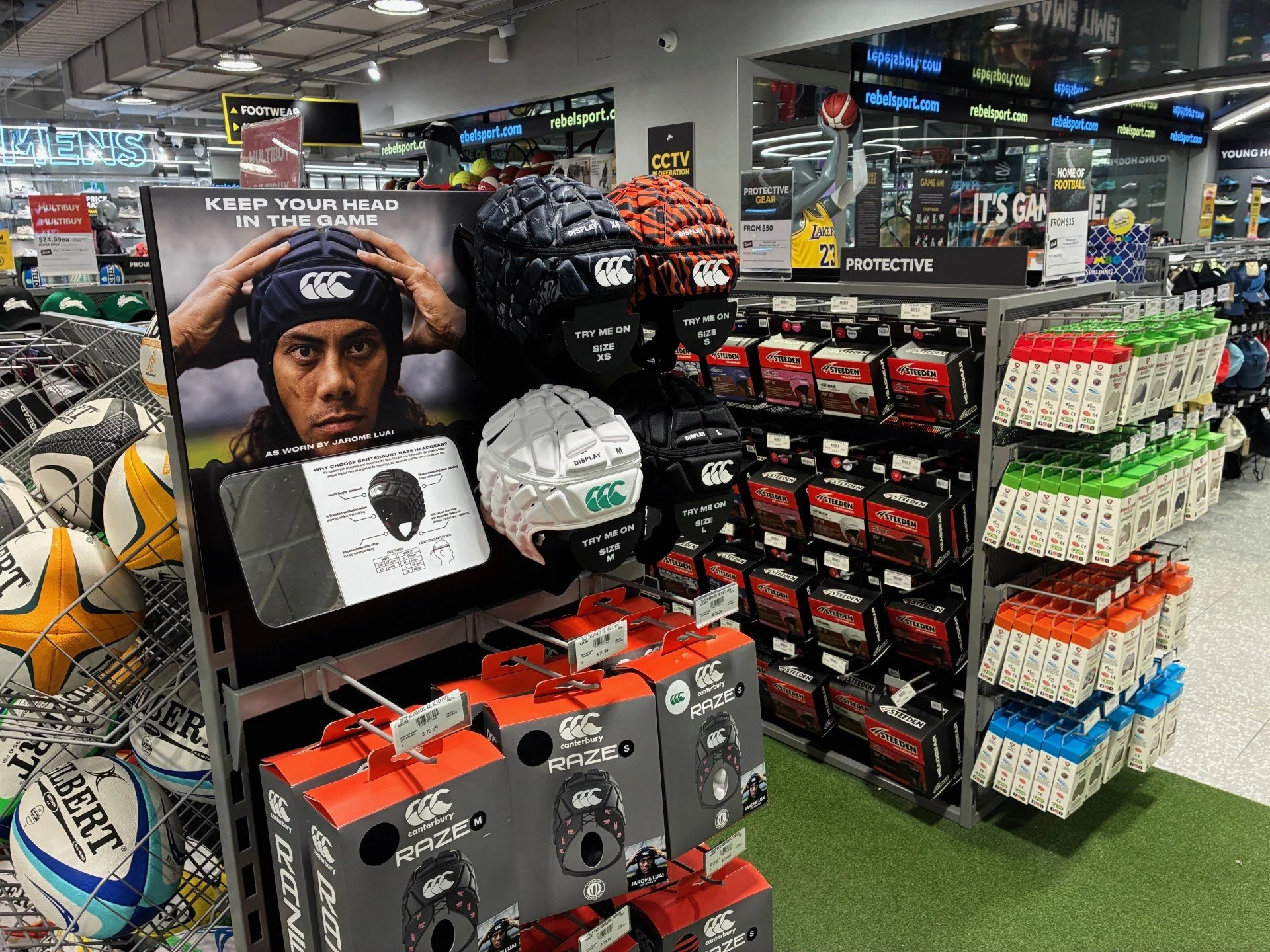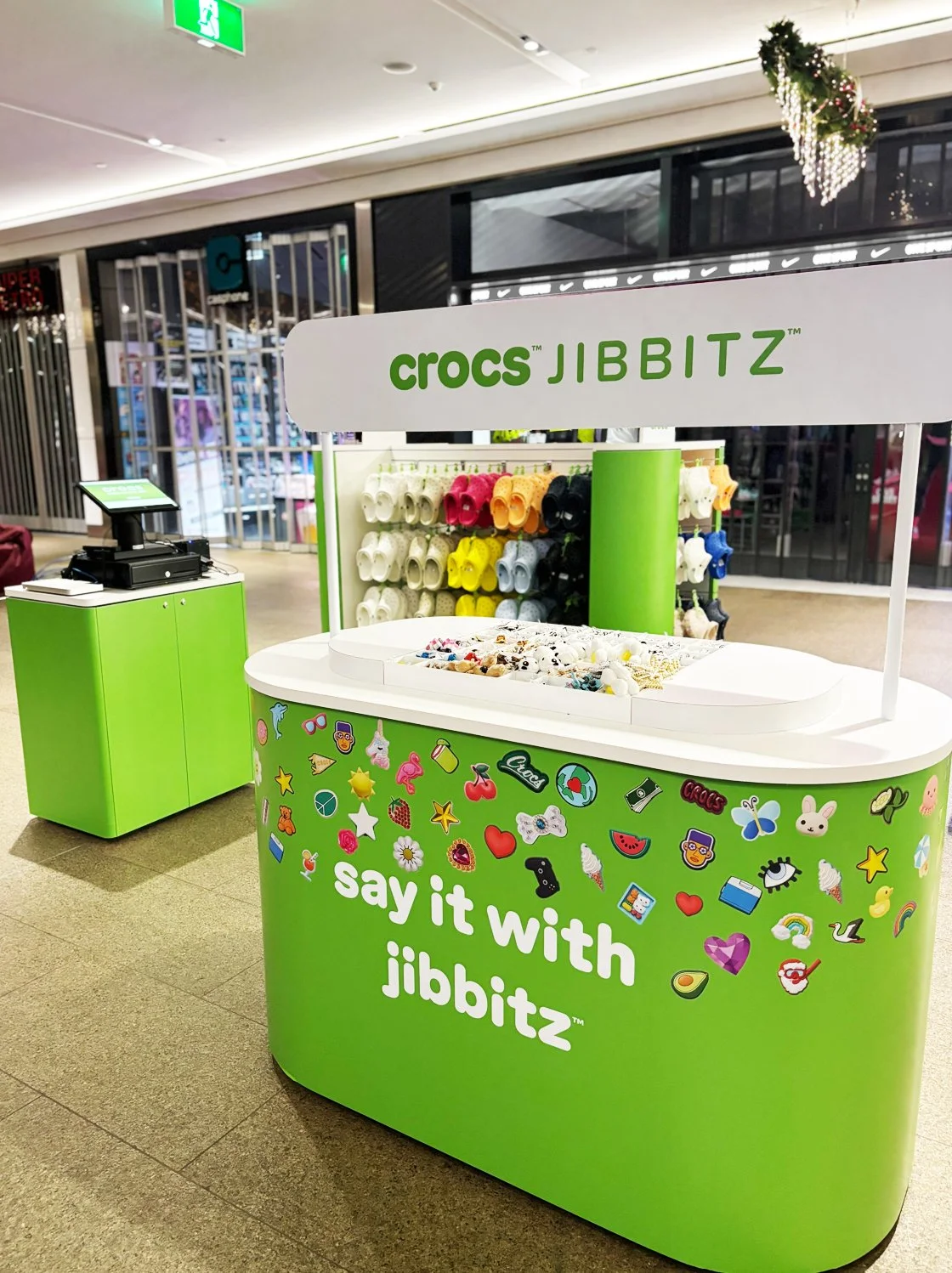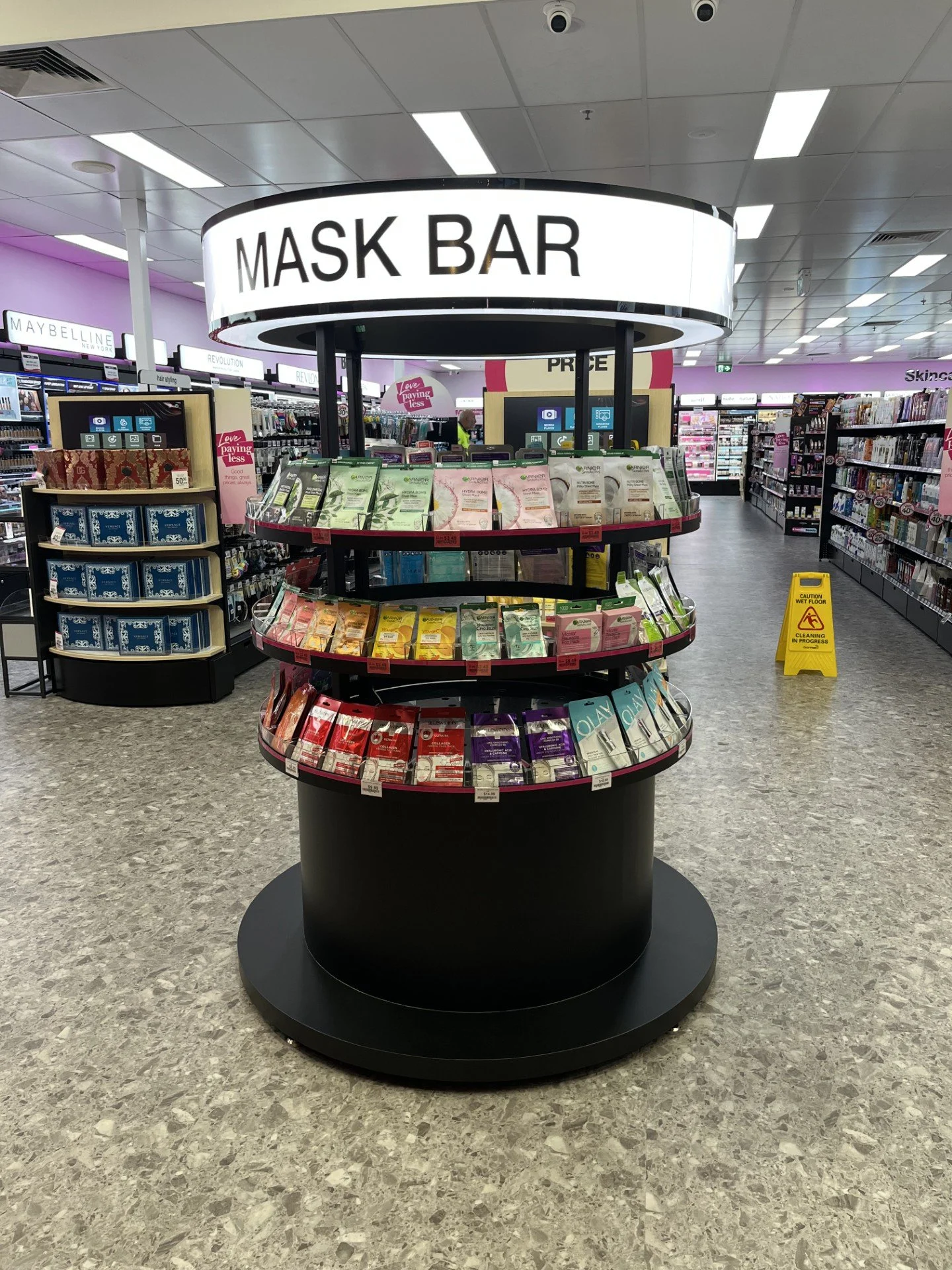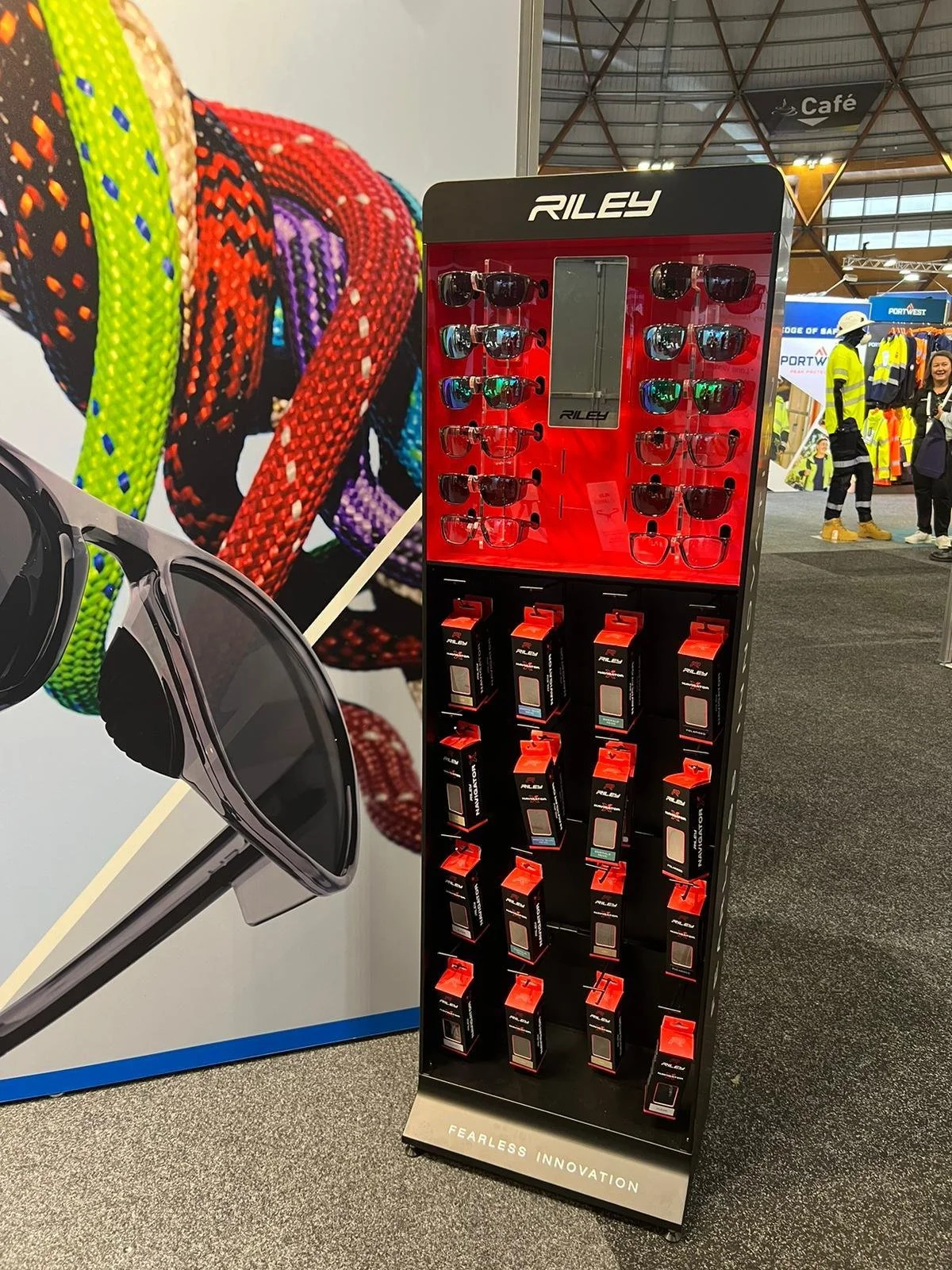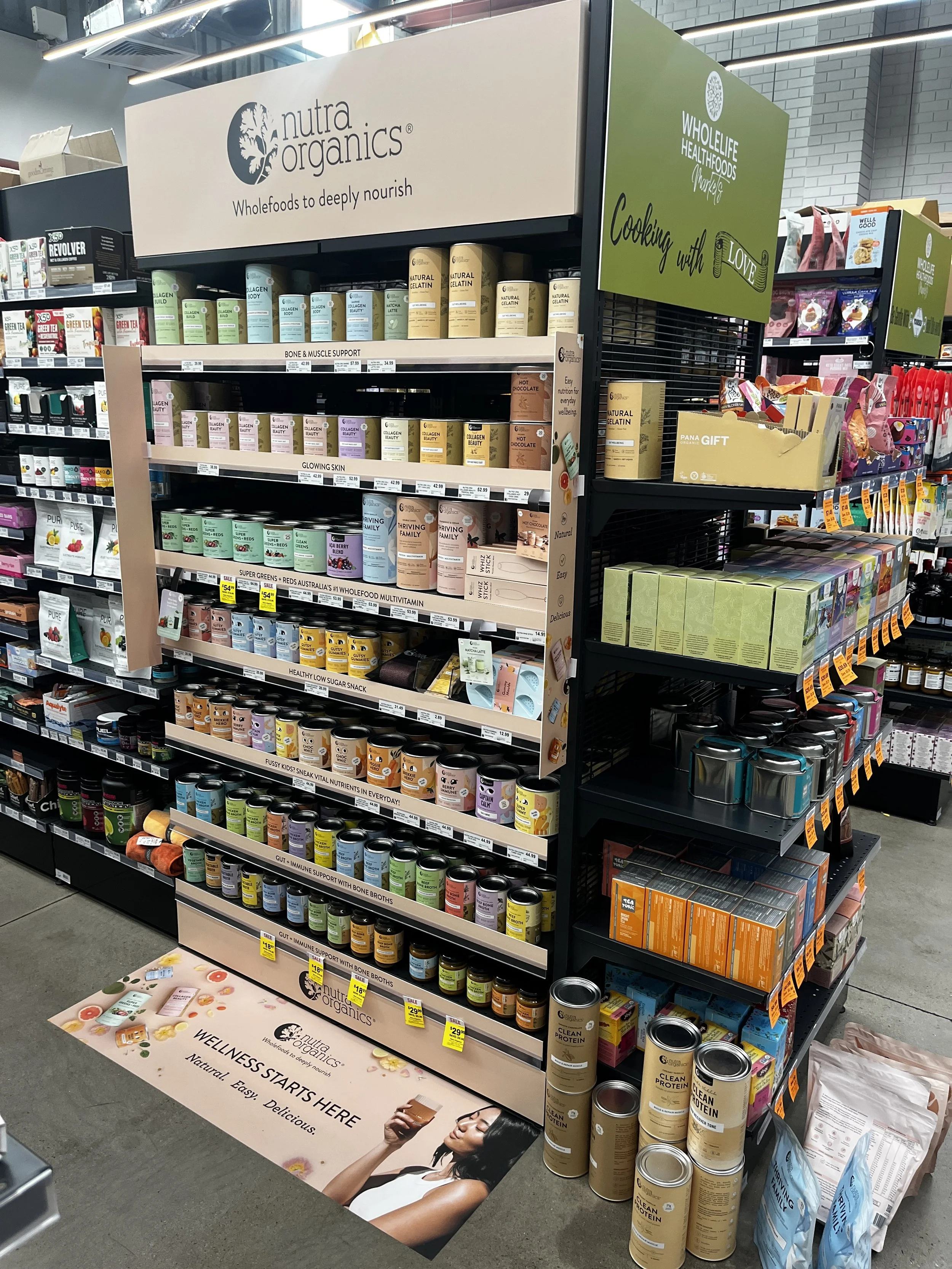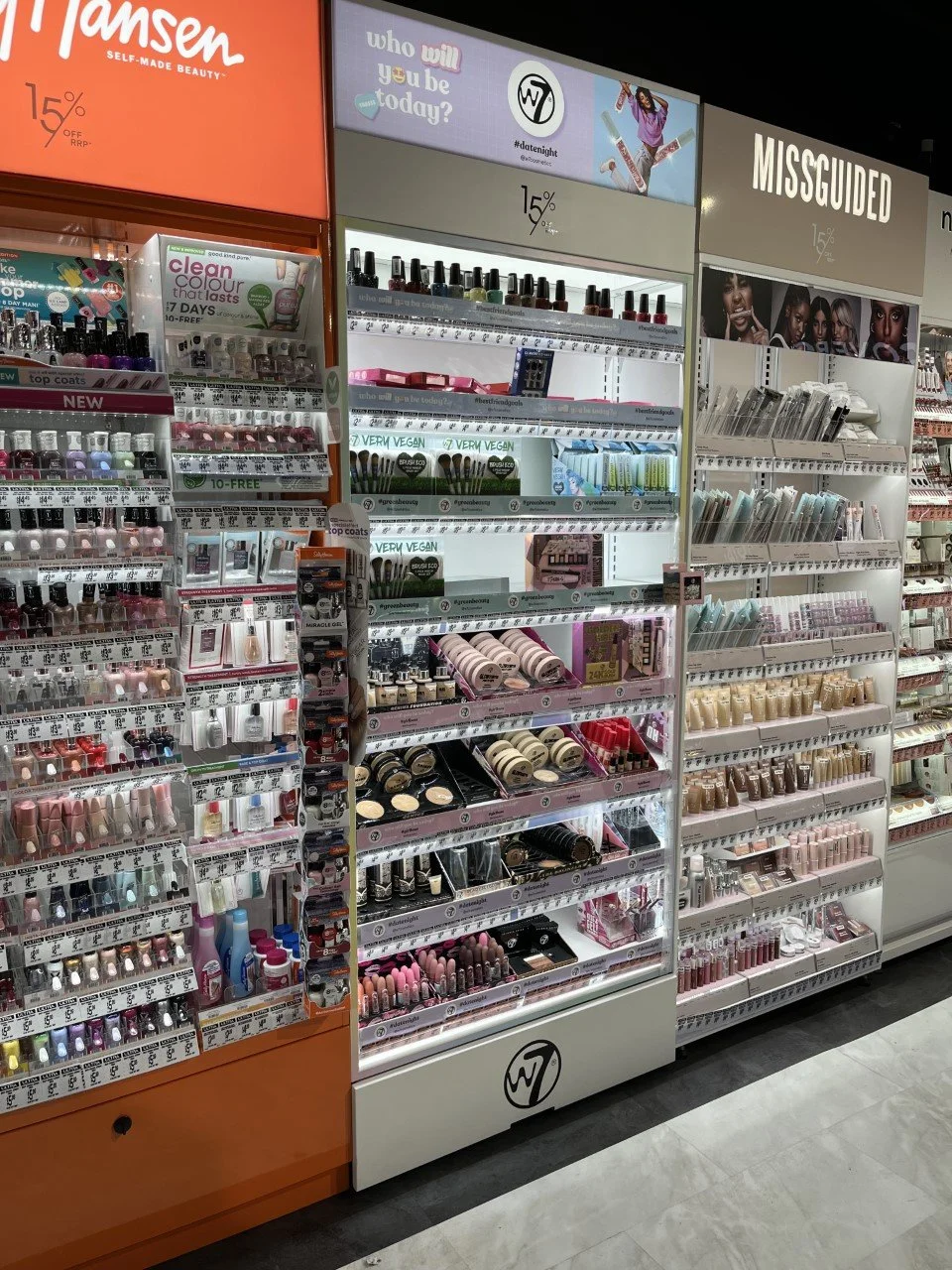
YOUR DISPLAYS SHOULD BE WINNING FLOORS.
The brands dominating shelf are doing 5 things differently. Here's exactly what they are, and the comms playbook to get your market talking about it.
HAPPENING ON THE FLOOR
Five problems that cost the industry billions every year and keep brilliant trade marketing teams from getting the recognition they deserve.
Your campaign brief becomes a game of telephone by Store #47
A 50-page PDF that works perfectly in a flagship gets sent to a 200sqm convenience store. Store staff improvise. Your display ends up in the stock room next to the mop bucket. Average compliance without active management? 42%. That's half your investment not working right now.
You're flying blind on what's actually in-market
57% of brands have no system to measure planogram compliance. You find out your display ran with last season's pricing strip from a photo a field rep sent on a WhatsApp chat three weeks after the promo ended. The window has closed. The damage is done.
The brief changed again. Production restarts from zero.
The retailer updated their gondola spec. Again. Your structural timeline and creative timeline are coupled one change means a full restart. The campaign misses the seasonal window. The budget burns. This isn't a one-off. It's the standard operating model for most brands.
Brand, trade, field, logistics: nobody's looking at the same file
Emails, shared drives, different file versions, verbal approvals nobody documented. By the time the display hits the floor, it's a Frankenstein of three different brief iterations. Every handoff is a potential failure point. And when it goes wrong, every team points at the last one.
You can't prove ROI, so your budget gets cut first
Digital tells its story in clicks and ROAS. Your display investment says "we think it worked." That's not a budget defence. It's a budget invite. Non-compliance costs are buried across chargebacks, field ops, and trade spend. Nobody's connecting the dots. Until they cut your line item.
CHANGE EVERYTHING
Stop sending documents. Start sending visual task cards one page, one store format, one display type. Annotated photos. A three-step checklist. A photo confirmation. That's it. When a brand switched to this approach across 600+ stores, compliance went from 42% to 100% in 90 days. Not because the stores got better. Because the brief finally made sense for them.
Build a live compliance loop: geo-tagged photo evidence, auto-verified against your spec, routed to the right person the moment something's wrong. AI image recognition checks SKU placement, signage accuracy, and pricing, flagging issues with real-time pass/fail markers. No more finding out three weeks later. You'll know within the hour.
Modular display architecture is the single biggest lever most brands haven't pulled. When structure locks 12 weeks out and creative locks 4 weeks out, a retailer spec change means swapping a graphic panel, not restarting production. A competitor move means updating messaging, not re-briefing the whole campaign. You stay reactive. Without the chaos.
Centralise campaign assets, briefings, approvals, and compliance reporting in one platform. Digital sign-off at each milestone creates an audit trail that eliminates "I didn't know it changed." When brand, trade, logistics, and field all work from the same approved materials, execution variance doesn't improve. It disappears. And when something goes wrong, you know exactly where and why.
Layer compliance data onto store-level sales performance. The result: compliant stores vs. non-compliant stores, and the revenue delta between them. That's not a marketing argument. It's a CFO argument. One brand did this and found compliant stores delivered 14% higher revenue during promotional periods. That number wins budget conversations. It gets you a bigger line item, not a smaller one.